About
Trainers & pedagogy
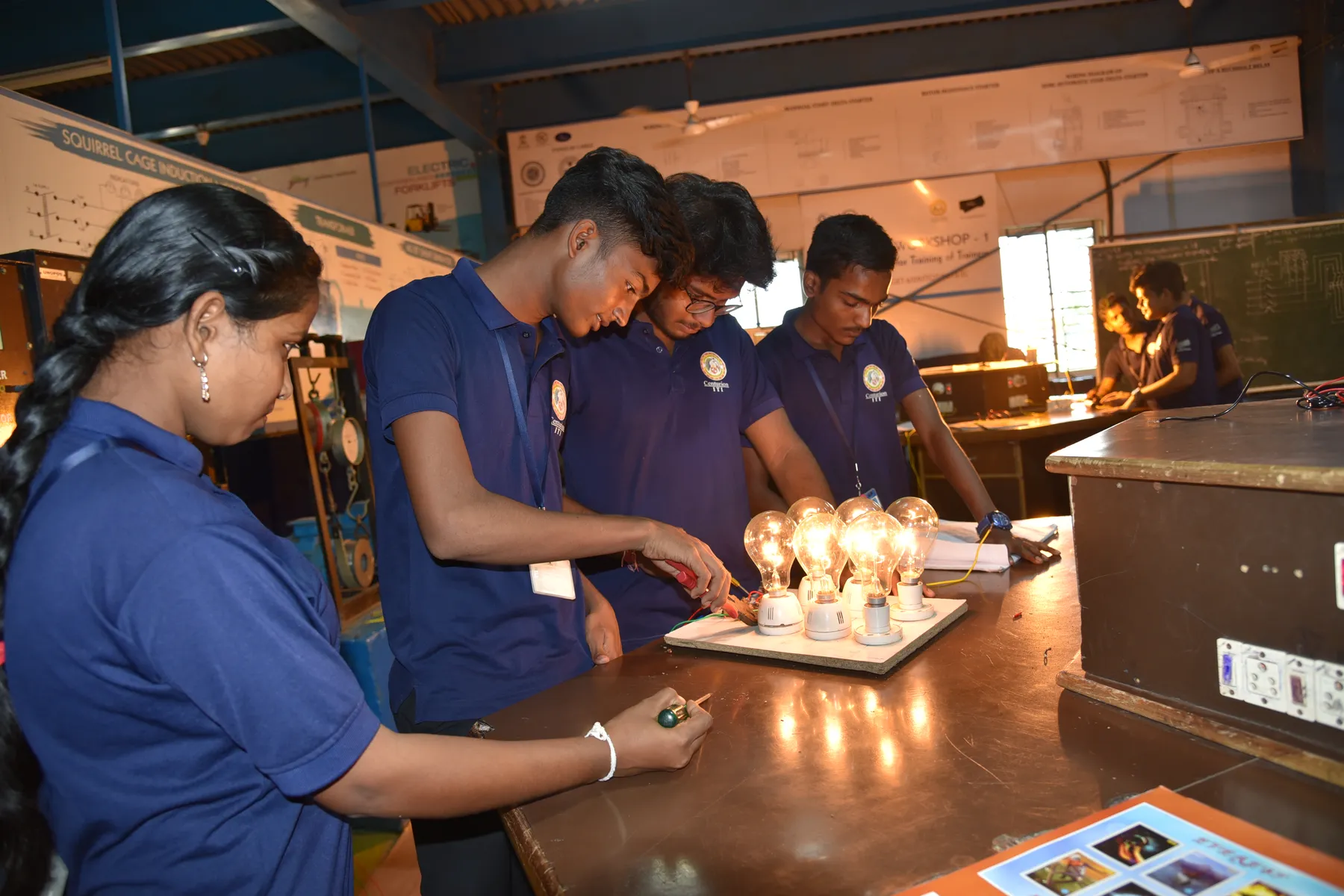
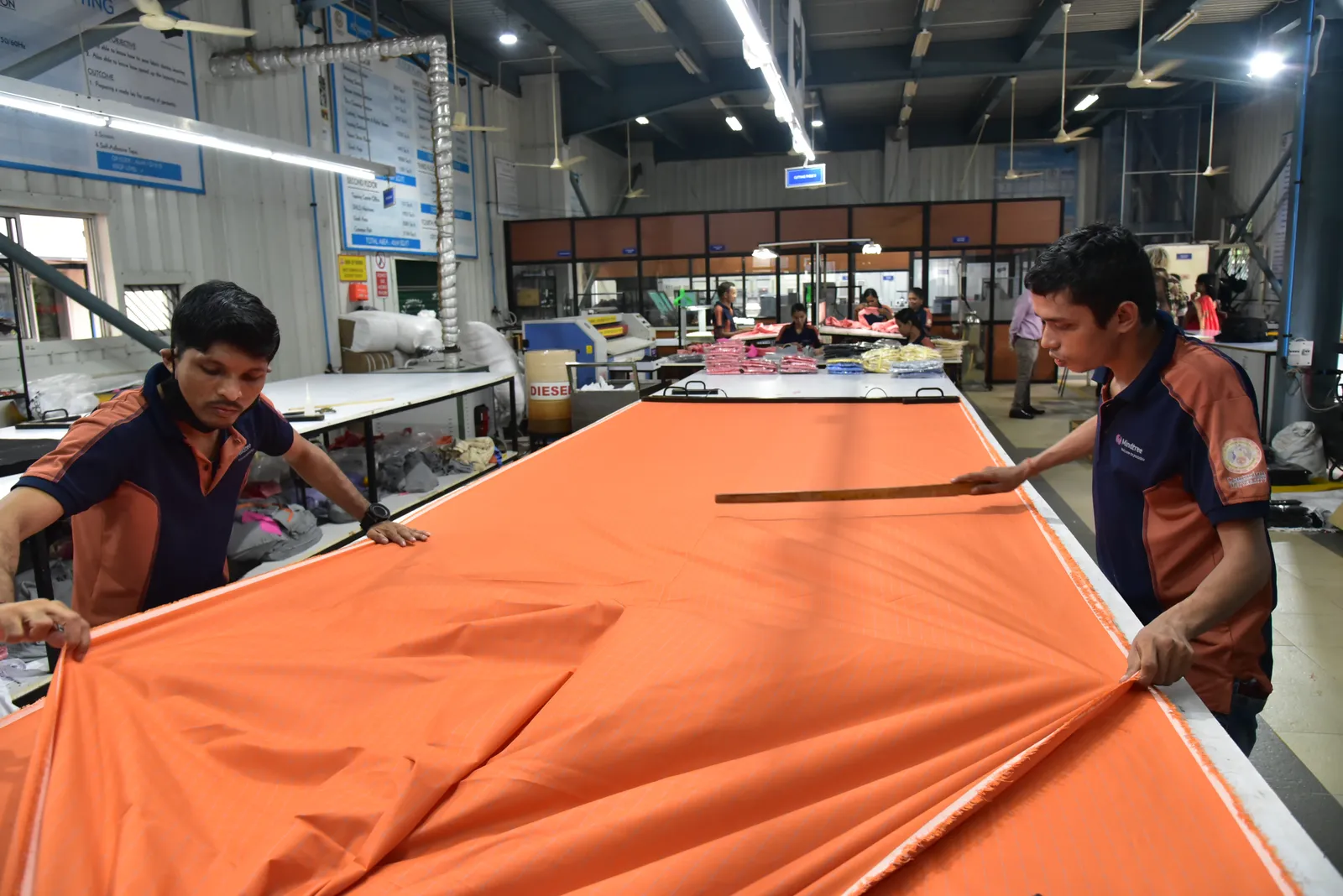
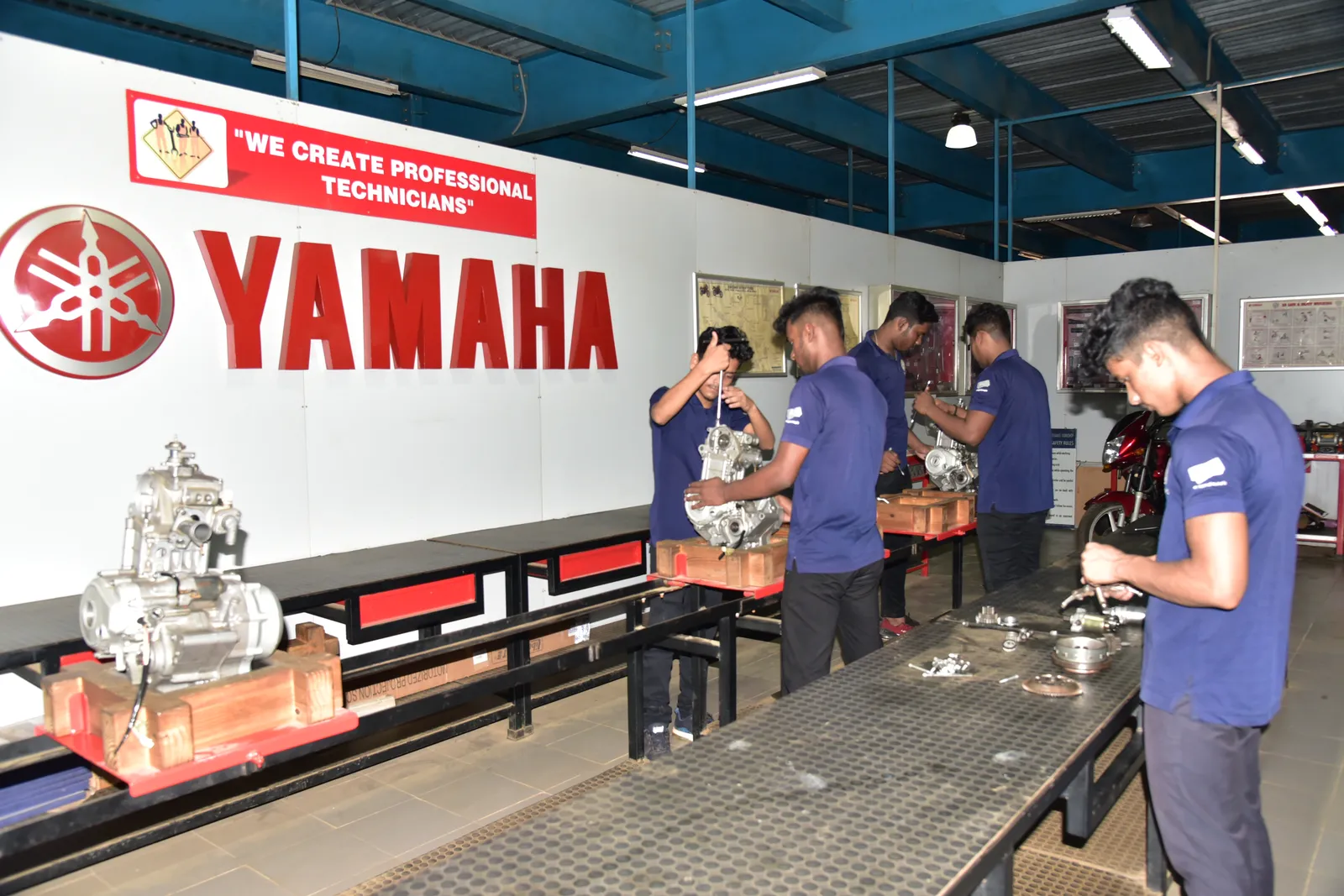
Curriculum, pedagogy and technical upgradation run continuously through Centurion University's School of Vocational Training. A trainer at a satellite centre teaches the same syllabus, to the same standard, as one at a mother centre.
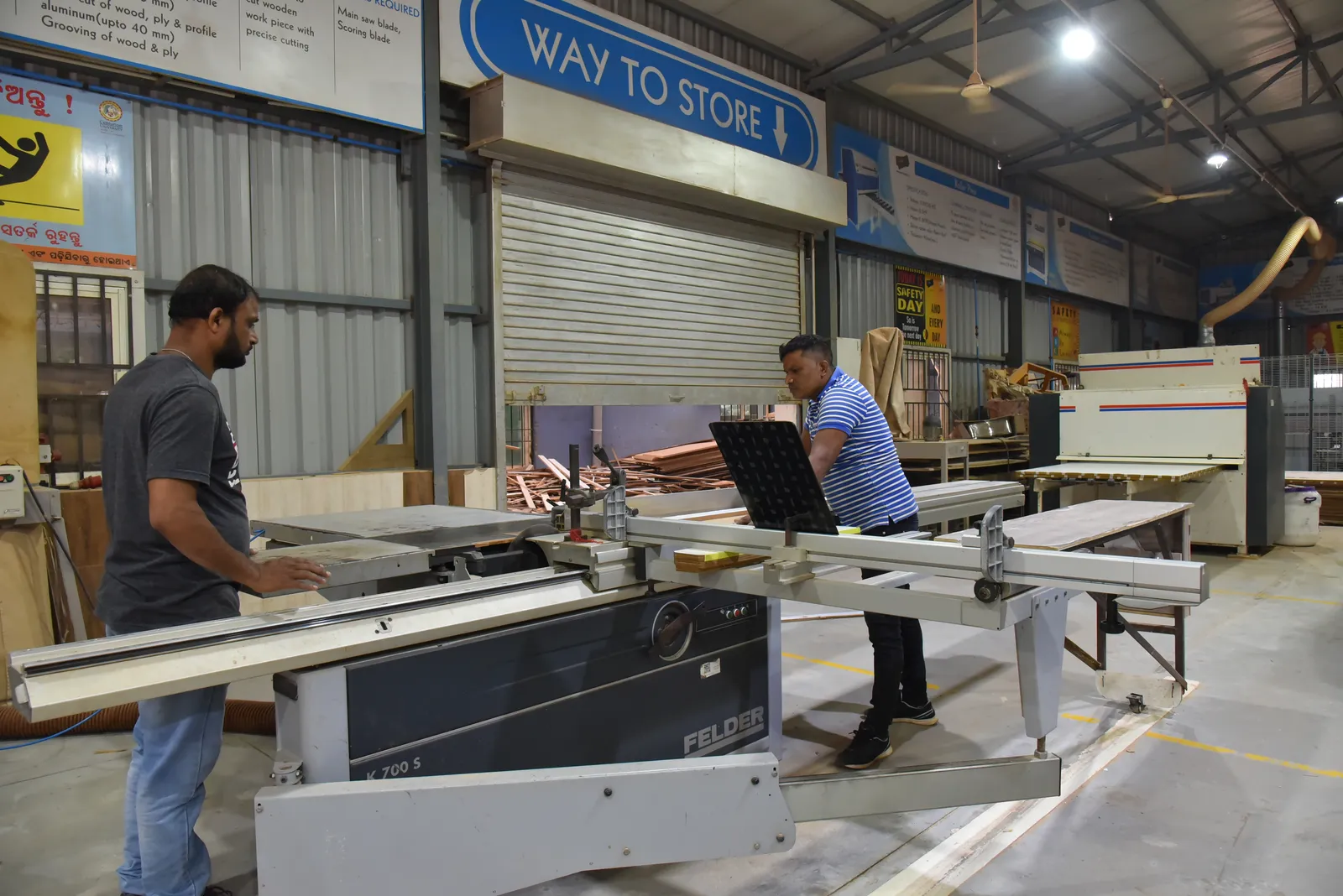
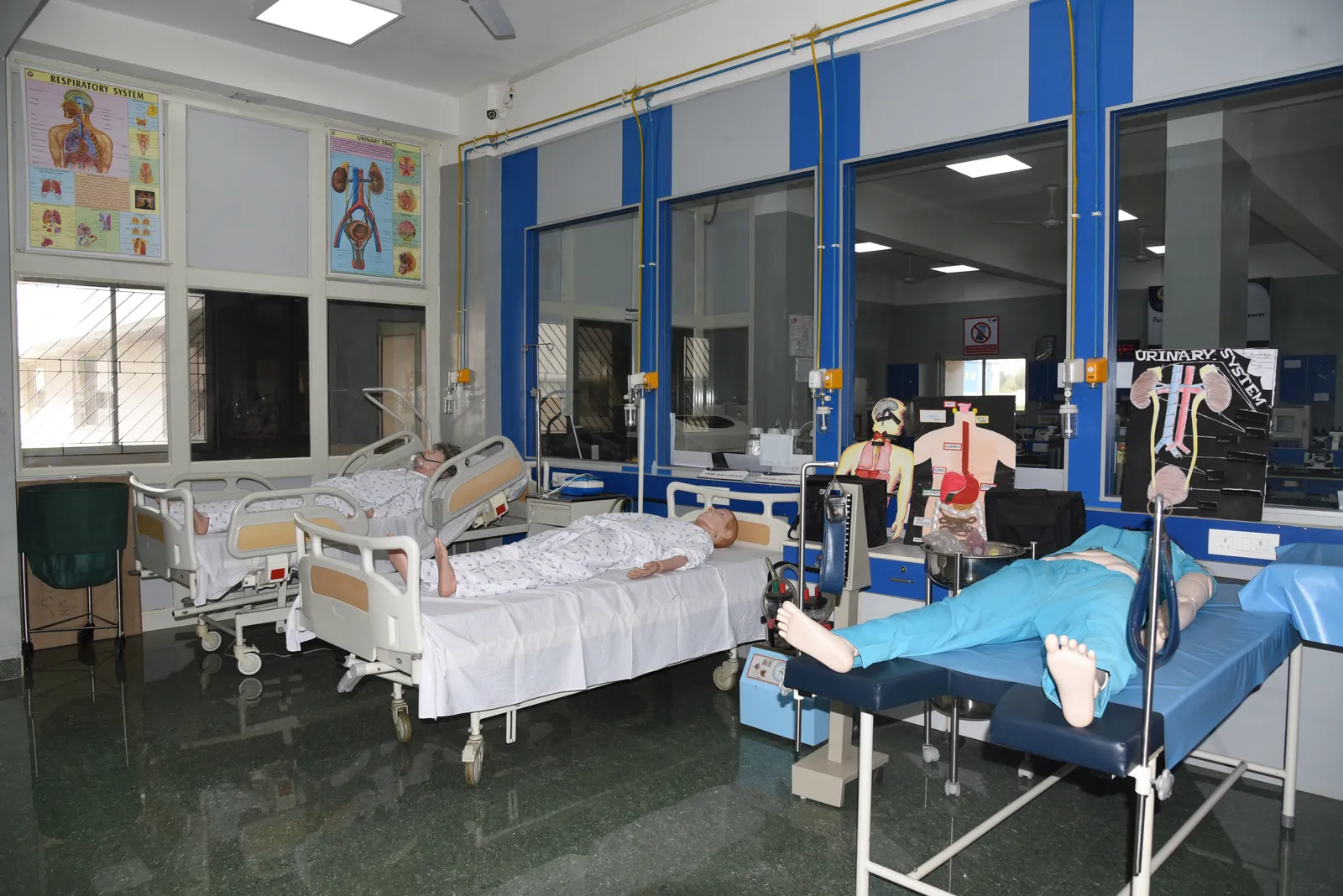
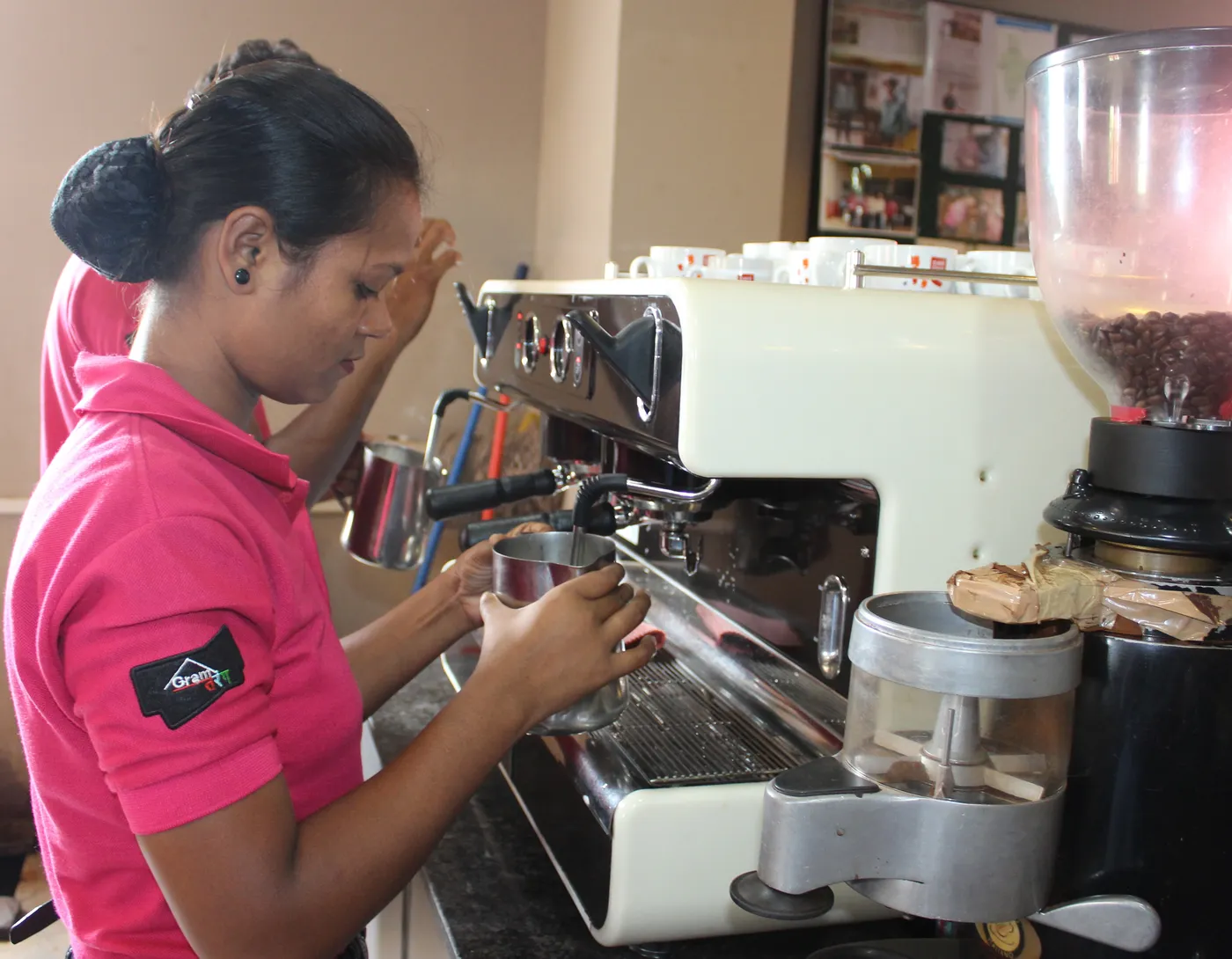
- 200
- Trainers on staff
- 60
- Field mobilisation staff
- 350+
- Employees in total
Method
Teach me, show me, let me practise.
Three phases and six steps. The order is fixed because skipping a step is what produces a certificate nobody trusts.
- Phase I
Traditional learning
- Step 01
Teach me
Trade-specific knowledge, literacy, numeracy and technical fundamentals for the course.
- Step 02
Show me
Practical demonstration in the workshop or work environment. Trainees observe tasks and procedures being completed, take notes, and learn the standard operating procedures.
- Step 01
- Phase II
Applied learning
- Step 03
Let me practise
Industry-specification machines in a production environment, so hands-on practice happens on the equipment the job actually uses.
- Step 03
- Phase III
Action learning
- Step 04
Assess me
Assessment is continuous. Practical learning is measured daily on accuracy, process and time taken.
- Step 05
Let me show you
Trainees work independently in a live production environment, producing a good or service of real economic value.
- Step 06
Recognise me
A skill championship recognises the top performers of each batch. Final certification is by independent third-party assessment through sector skill councils or NCVT.
- Step 04
Pedagogy
Theory, practice and production.
15% theory, 15% life skills and IT literacy, 70% practical in the workshop. Every programme ends with a live project — welding, fabrication, machining, a garment, or a cup of coffee. This is what trainees actually made.



After the classroom
Career pathing through lifelong learning
Tenth-pass youth mobilised from rural areas start on a foundation course, followed by an on-the-job training opportunity with an industry partner. For those who did not pass class ten, NIOS provides an alternate pathway.
Work-integrated learning combines
- Contact classes in a training room inside the factory or near the hostel
- E-learning and self-study through content developed by Gram Tarang Employability Training Services Pvt. Ltd.
- Practical job work in the workshop or a nearby ITI identified by Gram Tarang Employability Training Services Pvt. Ltd.
- Assignments and presentations
- On-the-job training and job appraisal
Assessment and certification
- DGT for ITI level (Level 3 and Level 4)
- Centurion University for Diploma, Advanced Diploma and B.Voc, under UGC guidelines through the DDU Kaushal Kendra scheme
Final certification is always by an independent third party — a sector skill council, NCVT or the university — never by the trainer who taught the batch.